
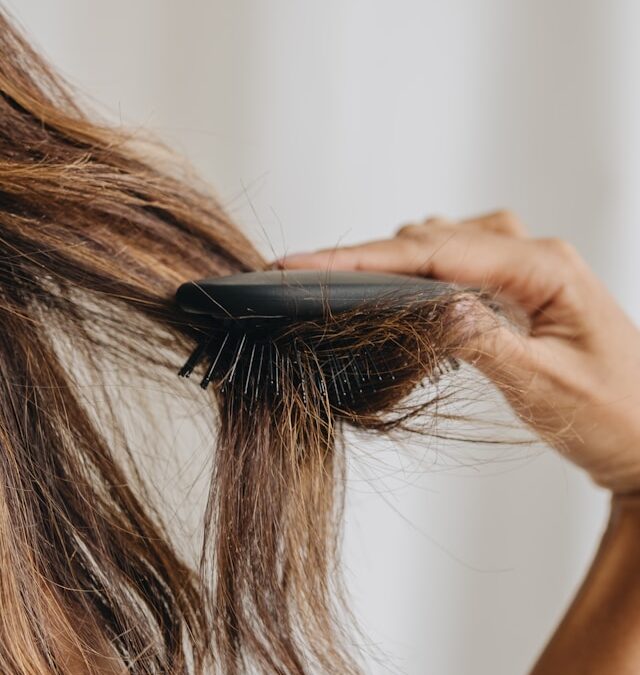
Noticing more hair in your brush, shower drain, or on your pillow can be concerning. But some hair shedding is completely normal. Most people naturally lose hair every day as part of the hair growth cycle.
When shedding becomes more noticeable or your hair starts looking thinner, however, it may be worth paying attention to what’s going on. Hair loss can have many different causes, and identifying the reason is the first step toward addressing it.
Common Causes of Hair Loss
Hair loss can happen for a variety of reasons, including:
Stress
Major physical or emotional stress can sometimes cause increased shedding. You may notice this several weeks or months after a stressful event.
Hormonal Changes
Pregnancy, menopause, thyroid changes, and other hormonal shifts can affect the hair growth cycle.
Nutrition
Not getting enough of certain nutrients, including protein, iron, or other essential vitamins and minerals, may contribute to hair thinning.
Illness or Medications
Some illnesses, medical treatments, and medications can cause temporary or ongoing hair loss.
Tight Hairstyles
Regularly wearing very tight ponytails, buns, braids, or extensions can put stress on the hair and scalp. Over time, this can contribute to a type of hair loss called traction alopecia.
Chemical or Heat Damage
Coloring, bleaching, excessive heat, and harsh treatments don’t typically cause hair loss from the root, but they can weaken the hair shaft and lead to significant breakage—which can make hair appear thinner.
Genetics
Sometimes, thinning hair simply runs in the family. Hereditary hair loss is one of the most common causes of hair thinning in both women and men.
Shedding or Breakage?
One important distinction is whether you’re experiencing hair shedding or hair breakage.
If you’re seeing full-length strands with a small bulb at one end, you may be experiencing shedding from the root. Shorter pieces, uneven lengths, or lots of broken hairs may indicate that your hair is breaking.
Your hairstylist can often help you recognize the difference and assess the condition of your hair.
When Should You Talk to a Professional?
If you’re experiencing sudden, excessive, or unexplained hair loss, noticeable bald patches, scalp changes, or ongoing thinning, it’s a good idea to talk with your doctor or another qualified healthcare professional. They can help determine whether an underlying health issue may be contributing to the change.
Your hairstylist can be an important part of the conversation, too. We see your hair regularly and can help you notice changes in thickness, texture, breakage, and overall condition.
Your Hair Is Telling You Something
Changes in your hair don’t always mean something is wrong, but they can sometimes be a clue that your body, routine, or hair care habits have changed.
If you’ve noticed more hair in your brush or shower lately, don’t panic—and don’t ignore it either. Start by paying attention to when the change began and talk with your hairstylist or healthcare professional about what you’re noticing.
Taking care of your hair starts with understanding what’s happening at the root of the problem.